Art for a Child's Room — Safety, Color, and Pieces That Grow With Your Child
Art in a child's room isn't temporary decor — it's the daily landscape your child grows up facing. A complete guide to choosing safe, colorful, lasting art that works from age two through the teenage years.
When designing a child's room, most parents spend hours choosing the bed, the wardrobe and the curtains — and leave the wall art for last, almost as an afterthought. That's the reverse of how a child experiences the room: the furniture is scenery, but the artwork on the wall is what they look at every night before sleep and every morning when they wake. Art in a child's room isn't decoration — it's part of the inner world the room builds.
This guide covers the three considerations that truly matter: safety (what to hang, how, and in which materials), color (what calms, what stimulates, and what simply tires), and growth — how to choose a piece that won't feel babyish at eight, and won't need replacing with every room upgrade.
Safety First: What to Hang in a Child's Room, and How
- No glass above the bed: over the sleeping area choose stretched canvas, a print on wood, or perspex framing — never glass that could shatter.
- Double anchoring: in a child's room, fix every piece at two anchor points minimum, so even a curious tug won't bring it down.
- Calculated height: anything within a toddler's reach should be light, soft, or firmly fixed; hang heavier works above the touch line.
- Odor-free materials: make sure the print uses water-based inks and there's no chemically scented varnish — especially important in a nursery.
Stretched canvas is the winning solution for most children's rooms: it's light, glass-free, resilient to curious hands — and if it falls, nothing happens. In a teenager's room, you can move to full framing with glass for a more grown-up look.
Color: Between Stimulation and Calm
Research on children's environments distinguishes between activity zones and rest zones — and the walls should cooperate with that distinction. Above the play and craft corner, lively colors and energetic compositions work well; above the bed and the sleeping area, softer tones are better — powder blue, sage green, dusty pink — with flowing shapes the eyes can wander through before sleep.
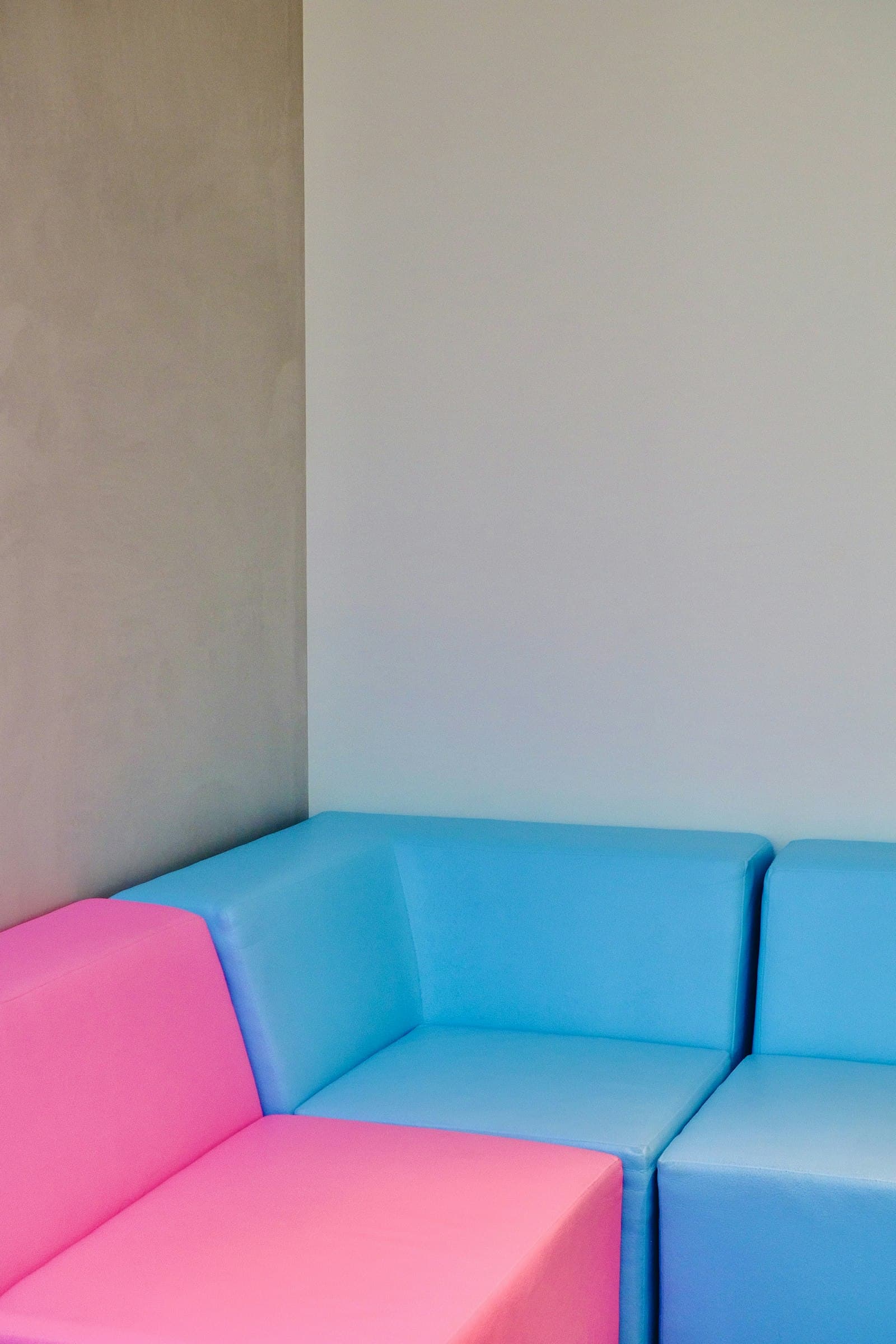
A common mistake is flooding the room with saturated primary colors wall to wall. Children do love color, but a room that's all shouting red-yellow-blue tires them too. The formula that works: quiet walls as a base, textiles in one or two tones, and a single artwork that concentrates the color — the room gets a focal point, and the eye gets somewhere to rest.
Art That Grows With the Child
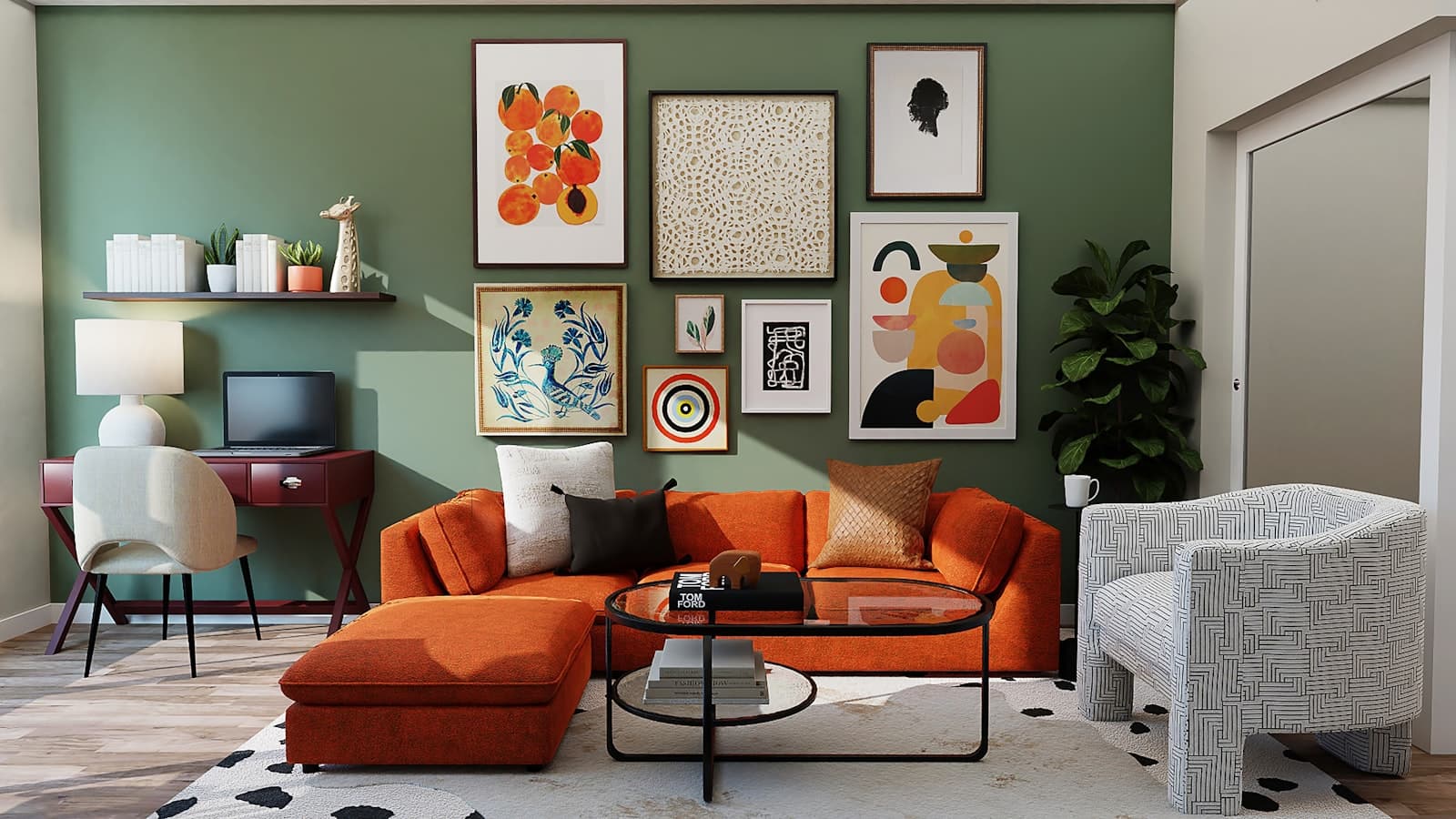
The most wasteful purchase in children's room design is art that ages with the child. A cartoon character from age two feels embarrassing at seven, so it pays to think one stage ahead. Colorful abstracts, imaginary landscapes, star maps, undersea worlds or an artfully illustrated jungle — all of these work at three and still look excellent at twelve.
This is exactly where commissioning custom art shines: a client opening a brief on walll.art can ask for a piece built around the child's world — the favorite animal, the room's colors, even their name woven in subtly — but in a mature visual language that lasts for years. Artists submit proposals, the family chooses together with the child, and the winning proposal becomes an artwork that's part of the room's biography.
A child won't remember the wardrobe they had. They'll remember the picture they looked at every night.
Shared Rooms and Teen Rooms: Two Challenges, One Solution
In a siblings' room, one large unifying piece beats 'half a wall per child' — it gives the room a shared identity, and can include a personal element for each. In a teenager's room the rule flips: let the teen choose. Browsing the gallery together, saving favorites and deciding independently turns the artwork from a parental decision into a statement of identity — exactly what a teen room needs.
Questions & answers — Home Design
What kind of art suits a child's room?
Pieces in a visual language that lasts for years: colorful abstracts, imaginary landscapes, the animal world or star maps. Avoid age-specific cartoon characters, which feel dated within two or three years, and choose colors that converse with the room.
Is it safe to hang a glass-framed picture above a child's bed?
Not recommended. Above the sleeping area choose stretched canvas, a print on wood, or perspex framing instead of glass. Either way, fix the piece at two anchor points minimum, so a tug or a slammed door won't bring it down.
Which colors work best for art in a child's room?
Above the bed, soft calming tones like powder blue, sage green or dusty pink are best. In play areas, bold energetic color is welcome. The rule: one artwork concentrates the color, and the walls around it stay quiet.
How high should art hang in a child's room?
A piece the child is meant to enjoy hangs lower than usual — around the child's eye level in play areas. Heavy or framed works go above a toddler's reach, double-anchored to the wall.
How do I commission custom art for a child's room?
Open a brief on walll.art with a photo of the wall, the room's colors and the world your child loves. Artists submit tailored proposals, you see each one visualized on the actual wall, and the winning proposal becomes an artwork delivered to your door.
What do we do when the child outgrows the artwork?
If you chose a mature visual language from the start — abstract, landscape, color — the piece will hold up in a teen room too. If you still want a change, move it to another space in the house and let your teenager choose a new piece themselves.