A Housewarming Gift That Stays Forever — Why Custom Art Beats Every Other Present
A housewarming gift is a rare opportunity: the home is new, the walls are empty, and the moment is charged with meaning. Custom art is the only gift that becomes part of the home itself — here's how to do it right.
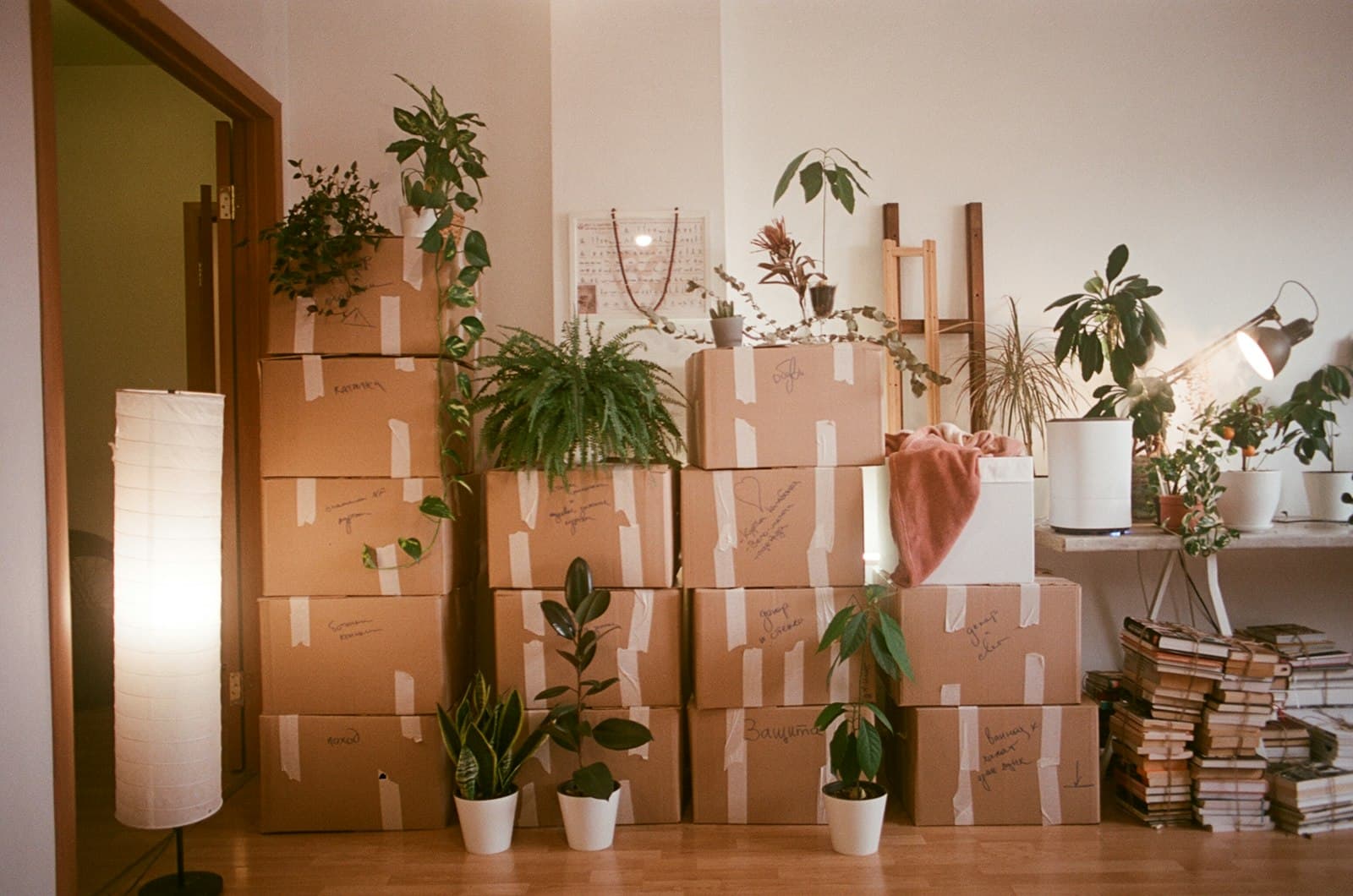
We all know the scene: a housewarming, a table piled with olive-oil carafes, glass sets and cellophane-wrapped plants. Nice gifts — that vanish into a cupboard within a month. A housewarming gift is one of the most charged opportunities on the gift calendar: the moment is festive, the walls are empty, and the home is still searching for its identity. That's exactly why an artwork is the gift that does what no other present can — it becomes part of the home.
But giving art is also tricky: how do you know their taste? What if it doesn't fit? This article unpacks the worries and lays out three ways to give art for a housewarming — from the safest to the most moving.
Why Art Is the Perfect Housewarming Gift
- It stays: a carafe breaks, towels wear out — a work on the wall accompanies the home for years, and with it the memory of who gave it.
- The moment is perfect: in a new home the walls are still empty and the design decisions still open — the gift arrives exactly when there's room for it.
- It's truly personal: a piece created for this family says 'I thought about you', not 'I passed a shop'.
- It's the perfect group gift: a few friends or relatives band together — and instead of five small presents give one meaningful work.
Three Ways to Give Art — by Level of Certainty
The safe way: a brief voucher. Instead of guessing their taste, give the new homeowners the experience itself — they open a brief on walll.art, define the wall, the style and the dream, artists submit tailored proposals and they choose the one that speaks to them. You give the budget and the gesture; they receive a work they chose themselves, created for them. Impossible to miss.
The quick way: a ready piece from the gallery. When you know the recipients' taste — or have seen something similar at their place — choose an existing work from the gallery. The advantage: the gift is tangible and immediate, wrapped and ready to hang. A rule of thumb for a safe pick: abstract landscapes and restrained palettes are welcomed in almost every home, far more than specific, daring imagery.
The moving way: a custom piece you commission in advance. This holds the greatest emotional potential — a work that encodes their story: the skyline of the city they left, the landscape of the village where they grew up, a meaningful date hidden in the composition. For a move like this, recruit a close family member who knows the details, and attach a few background photos to the brief. When it lands — no gift comes close.
Another set of glasses says 'congratulations'. A work created for them says 'I see you'.
Budget, Timing and a Few Rules of Etiquette
Counterintuitively, art as a gift works at every budget: a quality print in a modest format from the gallery is as accessible as a standard present, and a group gift opens the door to a large custom work. On timing — a custom piece takes time (brief, proposals, creation), so either start a month ahead, or bring to the event a designed card announcing the commission that awaits them. And on etiquette: if you're unsure of their taste — a brief voucher always beats a gamble. A gift that imposes taste isn't a gift, it's an assignment.
One more quiet advantage of art as a gift: it doesn't compete with the other presents. While four towel sets meet in the cupboard, an artwork is always singular in the home — and every time guests ask 'where is that from?', your story gets told again.
Questions & answers — Gifts
Is art a good housewarming gift?
One of the best there is: in a new home the walls are empty and the design identity is still forming, so the gift arrives exactly when there's room for it. Unlike consumable gifts, a work stays on the wall for years and carries the memory of who gave it.
How do you give art as a gift without knowing their taste?
The safe way is a brief voucher: the recipients open a brief themselves, artists submit tailored proposals and they choose what speaks to them. You give the budget and the gesture — they receive a work they chose themselves.
Which is better as a gift — a ready piece or a custom one?
When you know their taste well and want an immediate gift — a piece from the gallery. When you want the grand emotional gesture and have a month's lead — a custom work that encodes a personal story, like a childhood landscape or a meaningful skyline.
How much does an artwork cost as a housewarming gift?
There's a path at every budget: a quality print in a modest format from the gallery is as accessible as a standard present, and a group gift from several friends opens the door to a large custom work. In a brief the budget is set in advance and artists submit proposals within it.
How long does it take to commission a custom piece as a gift?
The process — brief, proposals, selection and creation — usually takes a few weeks, so start about a month before the event. An elegant last-minute option: bring a designed card telling of the work on its way, or a brief voucher they redeem themselves.
What should you choose when buying a ready piece as a gift?
Go for the forgiving choices: abstract landscapes, restrained palettes and calm compositions are welcomed in almost every home. Avoid specific imagery, texts and extreme color — those are gambles reserved for someone who knows the recipient's taste deeply.