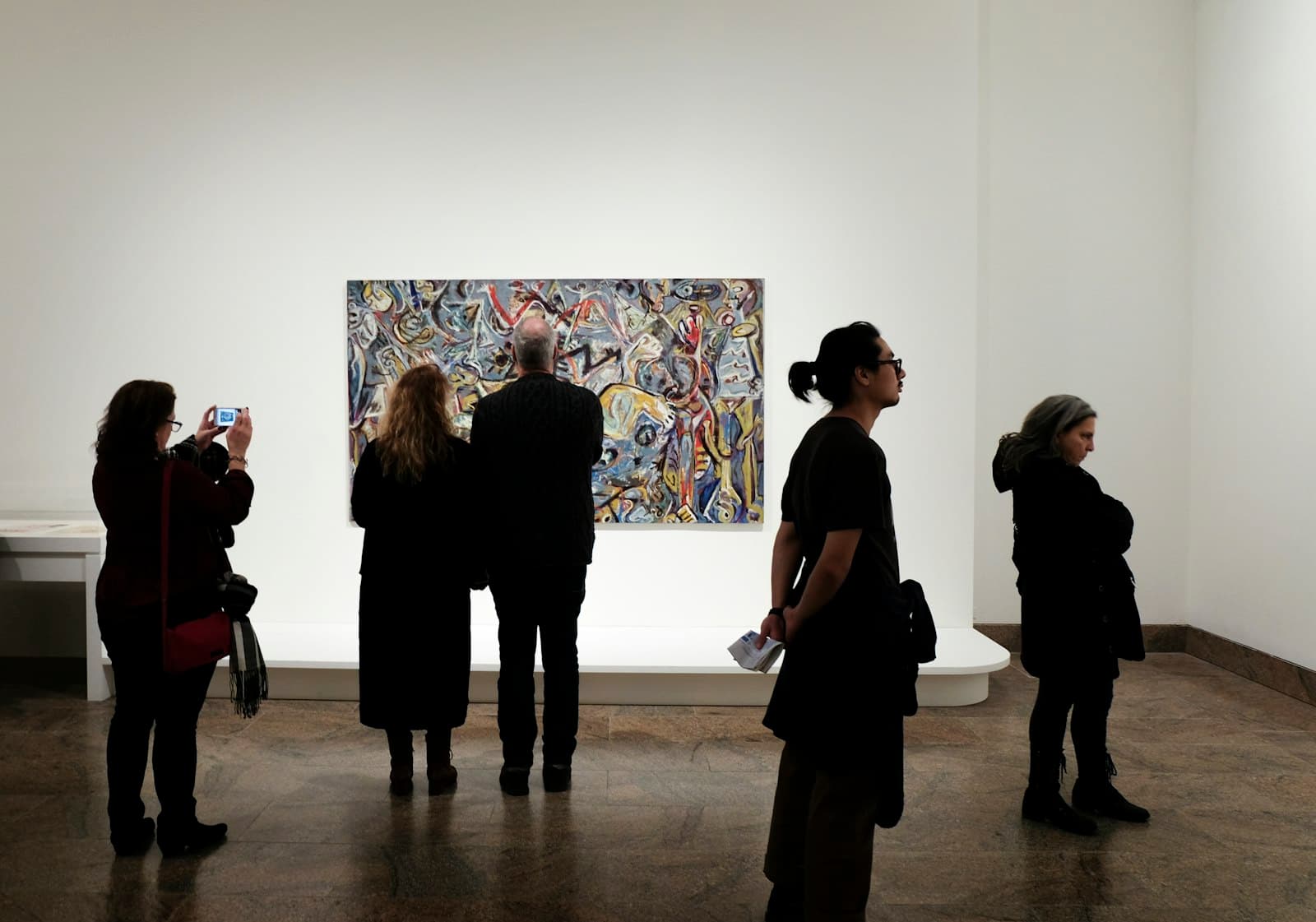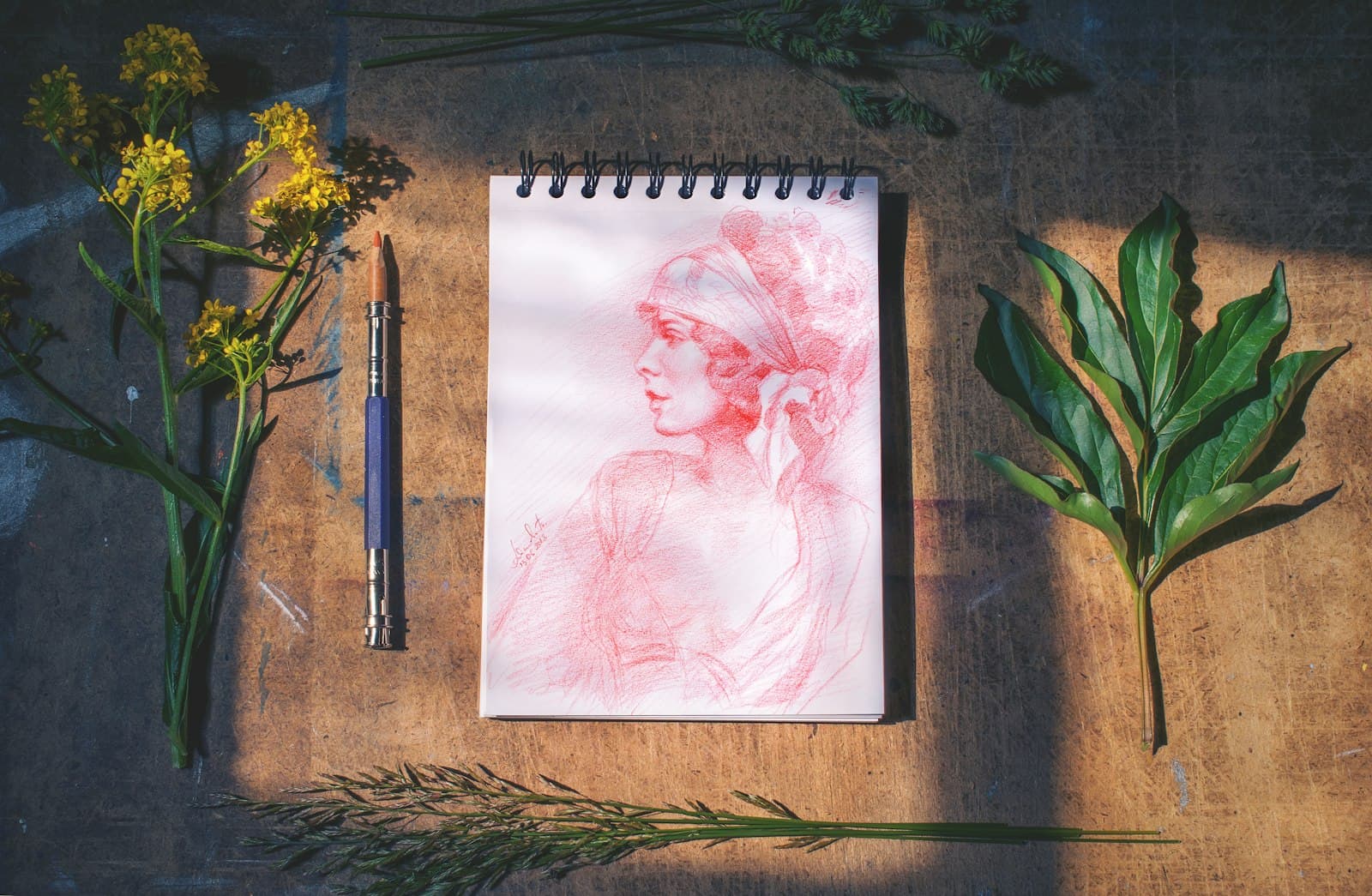
Every time a new tool enters the art world, the same prophecy is heard. When photography was invented, the death of painting was declared. When the computer entered the studio, the death of photography was declared. Painting, by the way, has never been more alive. Now it's artificial intelligence's turn to stand the same public trial — and the answer, as always, is more nuanced and more interesting than the headlines.
Let's say it plainly: the question “AI or real art?” is a badly phrased question. The right question is “what makes a work good?” — and the answer to that hasn't changed in centuries: intention, taste, an eye, and the decisions of a human being.
What Actually Changed
AI tools changed two fundamental things: the speed of iteration and the accessibility of execution. An artist can now explore twenty compositional directions in one evening instead of twenty days — and devote the freed-up time to what truly matters: selection, distillation, and precision. And someone with a precise eye and a visual vision, but without ten years of technical training, can finally translate what's in their head into a work. The tool lowered the barrier of execution; it did not lower the barrier of taste.
What Changed Not at All
- Intention: a good work comes from something someone wanted to say. The tool wants nothing.
- Taste: knowing what to keep and what to discard — the ability that separates a creator from a generator, in every medium and every era.
- Context: a work created for a specific space, light, and story will always beat a generic one, no matter which tool made it.
- Emotion: if the piece on the wall makes you stop every morning — it's art. That test is ancient and merciless, and it doesn't distinguish between tools.
A Good AI Artist — What That Even Means
Anyone imagining “type a sentence, get an image” has never watched an AI artist work. A real process includes building a consistent visual language across projects, hundreds of iterations with precise direction, hands-on composition and color work on the outputs, and often blending with digital painting, photography, and collage. The difference between generic output and good AI art is exactly the difference between someone who pressed a key and someone who conducts an hours-long dialogue with the tool — and knows what they're looking for. The viewer feels that difference immediately, even without being able to explain it.
The brush didn't paint Van Gogh, and the camera didn't shoot Cartier-Bresson. The tool was never the artist.
Traditional and Digital — on the Same Wall
And here's the point the debate misses entirely: in a real home, the question never even comes up. An AI work printed at gallery quality can sit in the living room beside a charcoal drawing, above a dresser with handmade ceramics — and the combination doesn't just work, it enriches. A home's language is set by color, composition, and feeling, not by the type of tool that made each item. Some of the most striking spaces deliberately mix old and new, handmade and digital.
What This Means for You as a Client
When you open a brief at walll.art, artists from across the spectrum submit proposals: digital painters, collage artists, creators who work with AI, and technique-blenders. You're not choosing a technology — you're choosing the work that made you feel something when you saw it on your wall photo. And that, in the end, is the only test that ever mattered: not how the work was made, but what it does to the room and to the people who live in it.
The history of art is a history of new tools that were absorbed, stirred debate, and became another color in the palette. Artificial intelligence is traveling exactly that route right now — and the ones who profit from the debate are, in fact, you, the clients: more creators, more styles, more ways to reach the work that's precisely right for your home.
Questions & answers — AI Art
Is AI art considered real art?
A good work is measured by the intention, taste, and decisions of its creator — not by the tool. A serious AI artist goes through hundreds of iterations, processes the outputs by hand, and builds a consistent visual language. Like photography in its day, this is a new medium with good creators and lesser ones.
What's the difference between an AI artist and typing a sentence into a free tool?
The same difference as between a professional photographer and someone holding a phone. An AI artist brings vision, a visual language, and a critical eye: directing hundreds of iterations, rejecting most, refining and perfecting the chosen ones. The generic result of a one-off prompt is immediately felt next to an intentional work.
Can an AI work blend with traditional art at home?
Absolutely, and the combination usually enriches. A space's language is set by color, composition, and feeling, not by the tool that made each item. An AI work printed at gallery quality sits beautifully beside a drawing, a photograph, or handmade ceramics.
Is the print quality of AI art different?
No. All works at walll.art, in every technique, are printed at the same gallery quality — Fine Art paper or canvas, at high resolution and in colors that endure for years. The technique behind the work has no effect on the quality of what hangs on the wall.
How do I know if a proposal I received was created with AI?
Artists present their technique and approach on their atelier profile, where you can see their full body of work. But our recommendation is to judge every proposal by one test: how it looks and feels on your wall photo. That's the test that determines whether you'll still love it a decade from now.
Is AI art cheaper than traditional art?
Not necessarily. The price reflects the value: fit to the space, the quality of the work and the printing, and the artist's eye. You set the budget in advance either way, so choosing between proposals is always a choice of taste, not of price tag.