Buying art for your home is a decision you live with for years, and yet most people approach it with less thought than buying a refrigerator. The result is familiar: works that looked perfect in the shop and vanish at home, walls that stay empty for years “until we find something,” and compromises that remind you of themselves with every glance. We've gathered the ten mistakes we meet again and again — and beside each one, the simple way around it.
Mistakes of Size and Placement
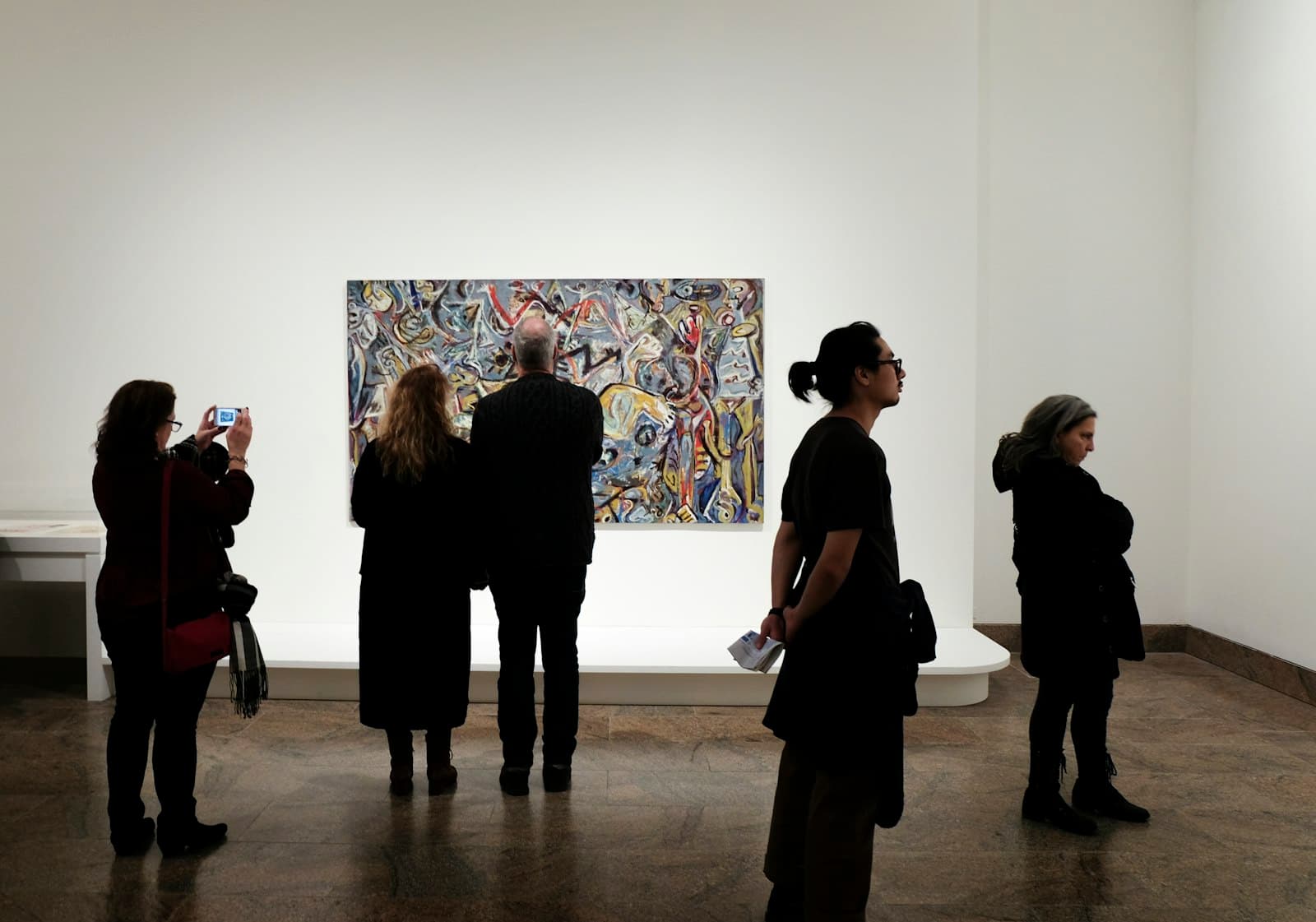
Mistake 1: buying too small. This is the most common of all. A 50 cm work on a three-meter wall looks like a postage stamp. The solution: measure by the two-thirds rule — the artwork spans 60–75% of the width of the furniture beneath it — and whenever you're torn between two sizes, choose the larger.
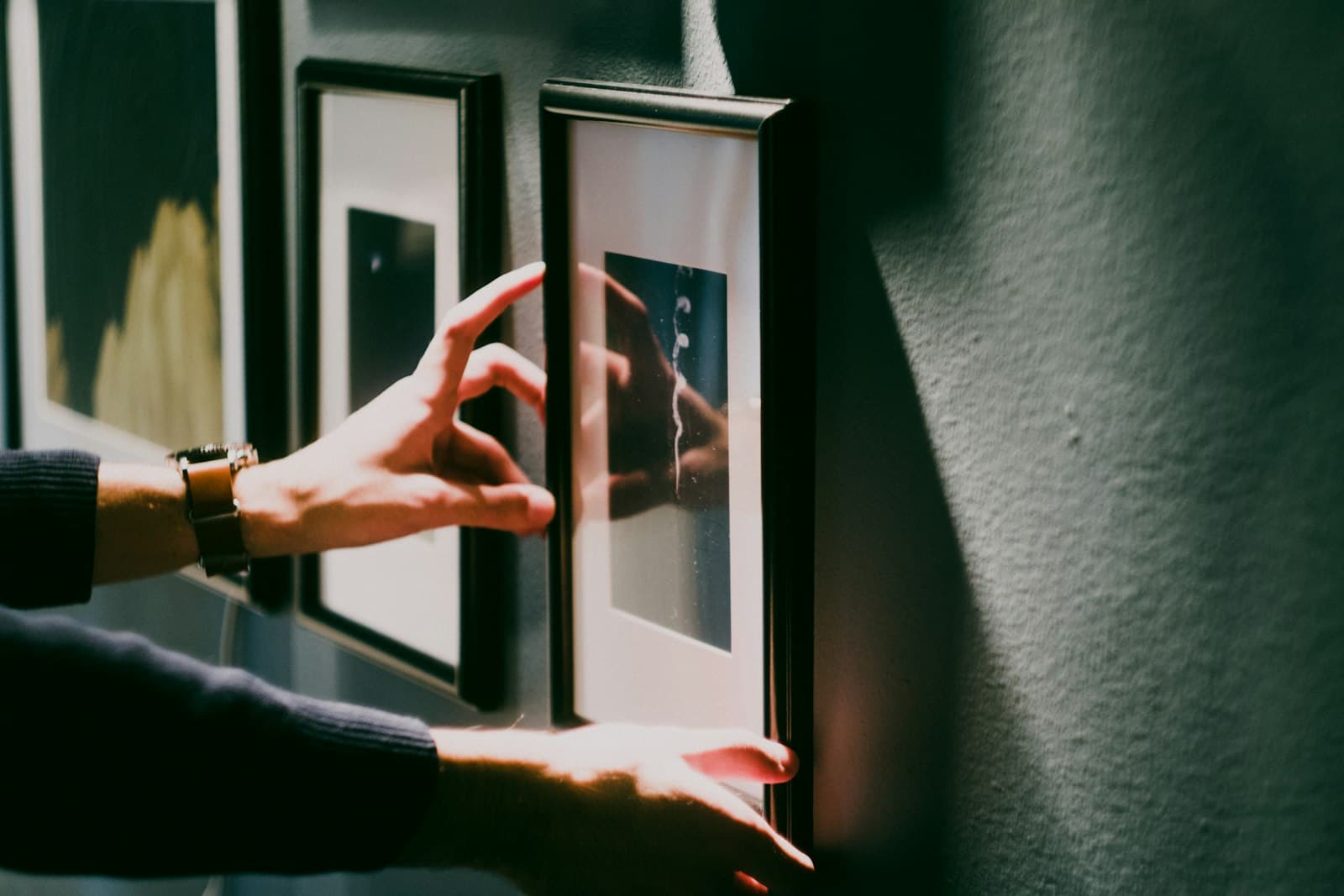
Mistake 2: hanging too high. The center of the artwork should be at eye level, about 145 cm from the floor — and in most homes it's hung 20 cm above that. Mistake 3: neglecting the context. An artwork doesn't live alone; it lives beside a sofa, a curtain, and a lamp. Choosing without seeing it in the space is a guess, and guesses cost money.
Mistakes of Taste and Decision
Mistake 4: buying by trend rather than by connection. The trend will change in two years; the artwork will stay. The right test: will you want to see it every morning a decade from now? Mistake 5: buying “something cheap in the meantime” — the temporary poster becomes permanent, occupies the good wall, and postpones the real decision forever. An empty wall waiting for the right work beats a wall taken by a compromise.
Mistake 6: buying too perfect a match. A work painted in exactly the colors of the sofa and the rug feels like a showroom. A good piece shares one or two shades with the room — and adds something of its own. Controlled contrast is what gives a room life.
The cheap compromise is the most expensive purchase: you pay for it twice — once at the register, and once with every glance.
Mistakes of Process
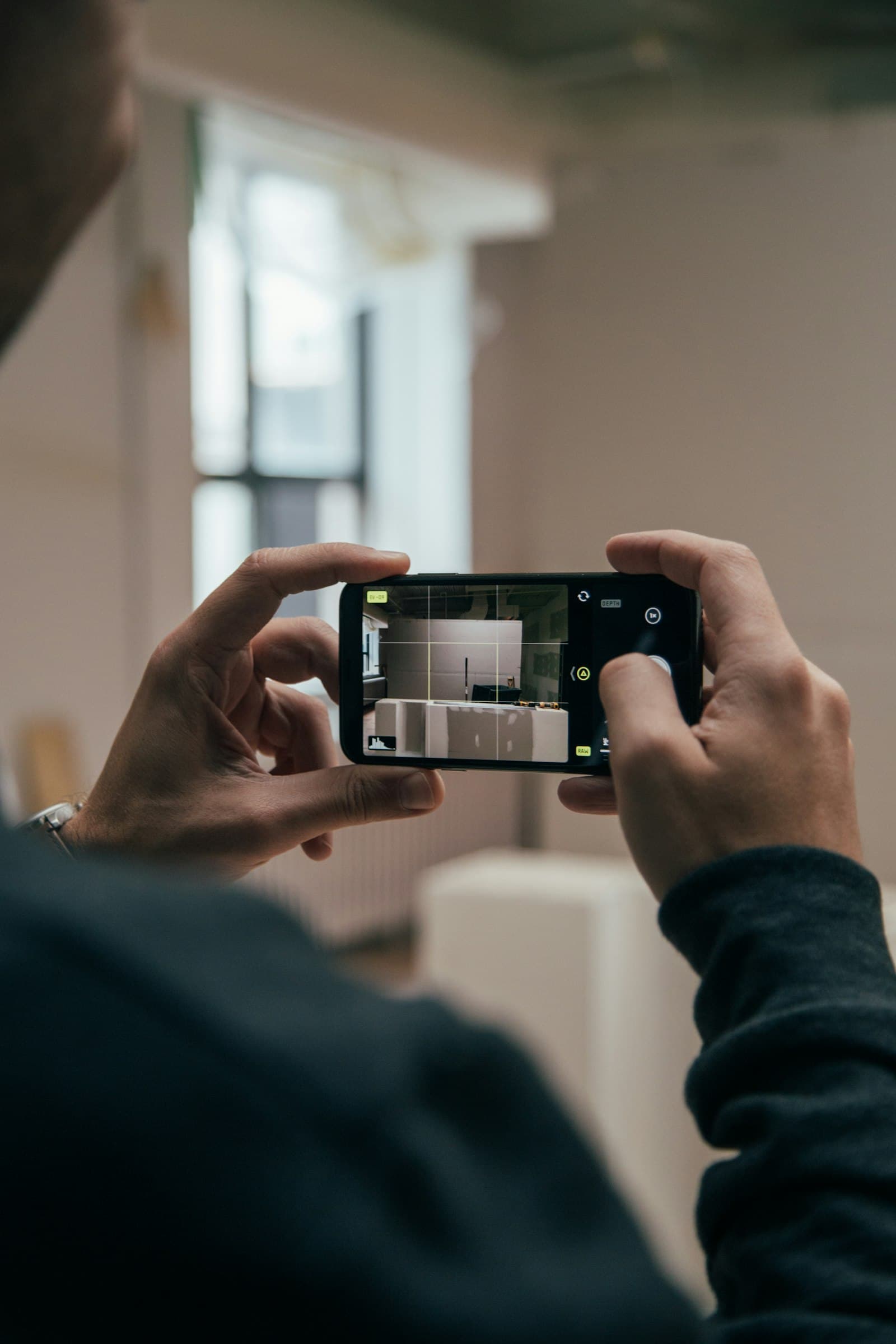
- Mistake 7 — buying without seeing it in the space: an image that looks stunning on a screen or in a shop can vanish on your wall. The solution: visualization on your actual wall photo, at the correct relative size, before paying.
- Mistake 8 — ignoring the lighting: a dark work in a dim corner disappears; glass facing a window blinds. Check the wall at the hours you're actually in the room.
- Mistake 9 — forgetting framing in the budget: quality framing for a large work can cost hundreds of shekels. Plan for it upfront, or choose a canvas print that arrives ready to hang.
- Mistake 10 — buying everything at once: a home filled with art in a single weekend feels staged. Start with the most important wall, live with the work, and let the next wall ask for its own.
The Principle Behind All Ten
Look at the list from above and all ten mistakes are variations on a single root: buying under uncertainty. You don't know how the size will feel, how the color will sit, how the work will look beside the furniture — so you guess, gamble, or avoid. The only real way around all of them is to turn the unknown into the known before the decision.
That's exactly what the walll.art process is built for: you upload a photo of the wall with its measurements, set a budget in advance, and artists submit proposals created for your space. Every proposal is visualized on the real wall at the correct relative size — so size, color, and context are no longer a guess but a picture you see with your own eyes. The choice is made with confidence, and payment is held securely until delivery.
And a final word to anyone reading the list and recognizing themselves in a clause or two: it's perfectly fine. Almost everyone has been through it, ourselves included. The next wall is a chance to do it right — this time, with every tool in hand.
Questions & answers — Guides
What is the most common mistake when buying art for the home?
Buying too small. A small work on a large wall gets swallowed and feels like a compromise. The saving rule: a central piece spans 60–75% of the width of the furniture beneath it, and when torn between two sizes — choose the larger.
Is it worth buying a cheap picture as a temporary solution?
Usually not. The temporary solution tends to become permanent: it occupies the good wall and postpones the real decision for years. Better an empty wall waiting for the right work, or going straight for a piece you truly connect with, within a defined budget.
How do you know if a work will suit your home before buying?
You see it on the wall before you've paid. At walll.art you upload a photo of the wall with measurements, and every proposal is visualized on it at true relative size — so size, color, and context are checked with your eyes, not by guesswork.
Should the artwork match the room's colors exactly?
No — and that's actually a common mistake. Too perfect a match feels like a showroom. A good work shares one or two shades with the room and adds something of its own — the controlled contrast is what gives the space life and character.
How much should I budget for a first artwork?
At walll.art you set the budget in advance, starting from ₪1,500, which is the price of the original work only; gallery-quality printing, framing and shipping are priced separately, in a transparent price list. It's worth planning for framing too if you want glass, or choosing a stretched canvas that arrives ready to hang.
Is it better to fill the whole home with art at once?
No. A home filled all at once feels staged. Start with the most important wall — usually the central wall in the living room — live with the work for a few weeks, and let the space tell you which wall asks for the next piece.