How to Care for an Art Print — A Maintenance Guide: Light, Humidity, Cleaning and Framing
Caring for an art print is a matter of small habits: the right placement relative to sunlight, smart framing, gentle cleaning and attention to humidity. The complete guide to keeping your piece beautiful for decades.
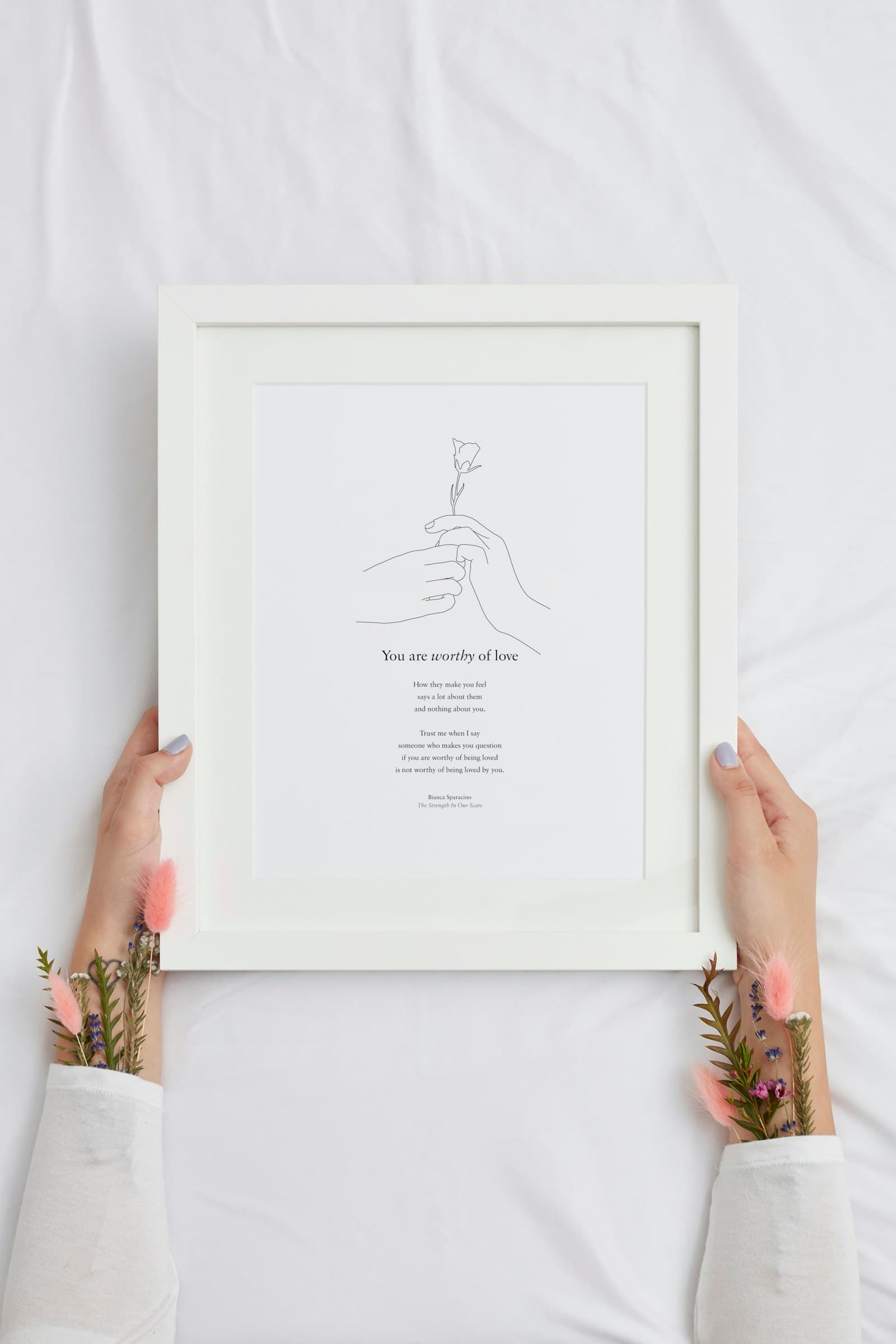
A good artwork should accompany you for decades — but only if you treat it as a living object, not just another item on the wall. Caring for an art print is neither complicated nor expensive; it mostly requires knowing four things: what light does, what humidity does, how to clean without harming, and why framing is the artwork's life insurance.
This guide addresses quality art prints (pigment prints on Fine Art paper or canvas), but most of the rules apply to original paintings too. Let's start with the biggest enemy.
Light: The Silent Enemy of Every Art Print
UV fading is cumulative and irreversible damage — and it happens too slowly to notice, until one day you move the picture and discover the wall behind it is darker than the print. Rule one: never hang a work in a line of direct sun. Strong indirect light, say opposite a large south-facing window, also takes its toll over the years.
- Check the wall at three different hours of the day before hanging — a wandering sunbeam surprises even walls that look shaded.
- A Fine Art pigment print is several times more resistant than a home printout or cheap inkjet print — worth verifying what you bought.
- Glass or perspex with UV filtering blocks most of the harmful radiation — the single best investment in framing.
- A sheer curtain or shade dramatically reduces the load in sun-flooded rooms.
Humidity and Temperature: Where Pictures Suffer in Silence
Paper is hygroscopic — it breathes moisture. A stable environment of 40–60% humidity is ideal; what kills prints isn't a specific value but sharp swings. Hence the three problem spots in the Israeli home: an uninsulated exterior wall (extreme heating and cooling cycles), the bathroom and kitchen (steam and grease), and above a radiator or air conditioner that dries and heats in cycles. If you must hang in one of these — only with well-sealed framing, and preferably canvas or a print on aluminum, which are more forgiving than paper.
Warning signs to catch early: rippling in the paper (excess humidity), tiny brown spots called foxing (microscopic mold), or a print sticking to the glass. In any of these cases — go to a professional framer; don't try to separate it yourself.
Cleaning: Less Is More
- Frame and glass: a dry microfiber cloth, or a drop of cleaner on the cloth — never spray directly, as it seeps in at the edges.
- Unframed canvas: remove dust with a wide soft brush in gentle strokes, once every month or two. No water, no damp cloths.
- Perspex: only a dedicated microfiber cloth — tissues and paper towels leave microscopic scratches.
- Never: household cleaners, alcohol or bleach anywhere near the surface of the work.
A work isn't ruined in a day. It wears down through ten years of wrong habits — or lasts fifty thanks to a few right ones.
Framing, Hanging and Storage: The Artwork's Insurance
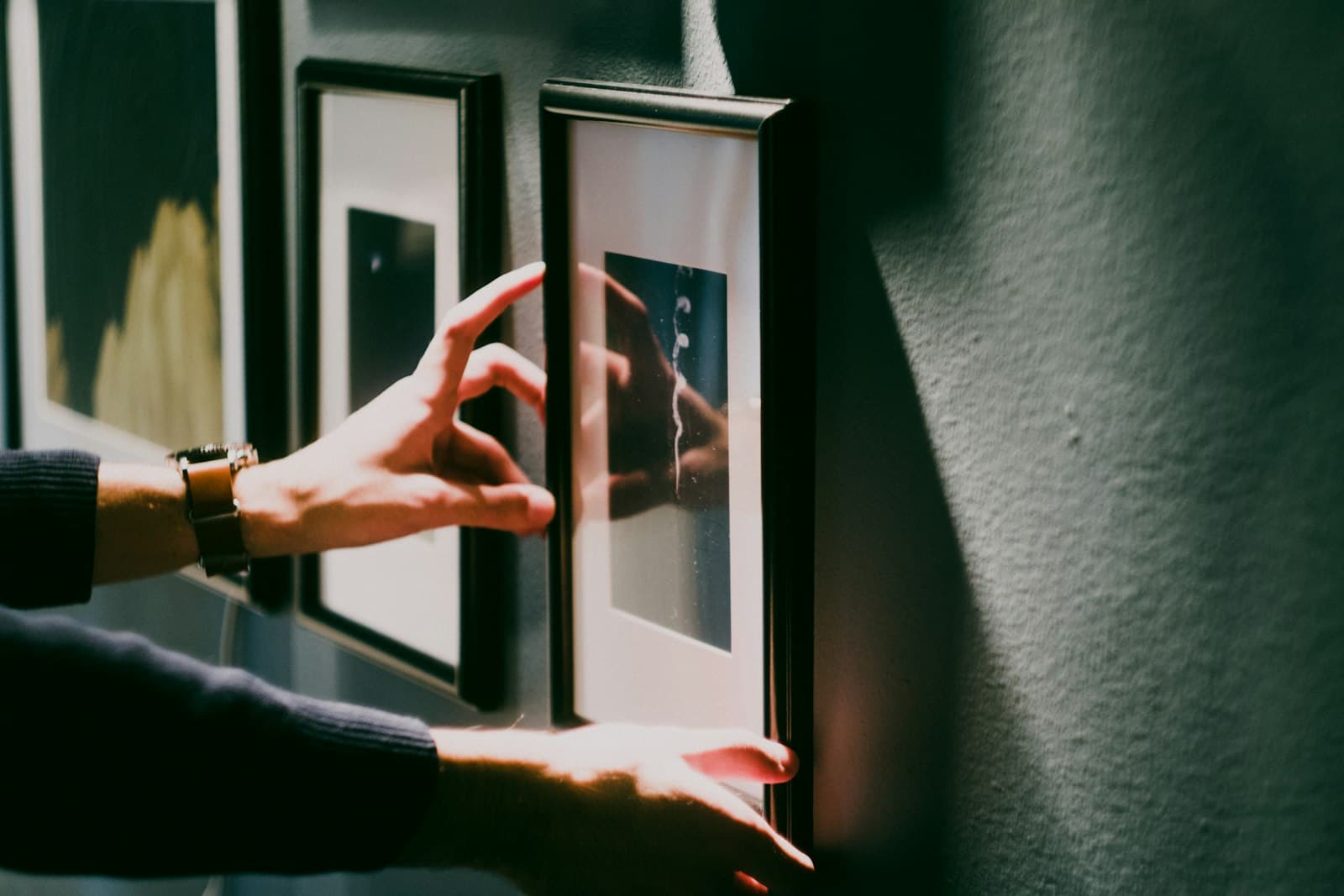
Conservation framing is the difference between a print that lasts a decade and one that lasts a generation: acid-free mat and backing, a gap between the print and the glass, and a sealed back against dust and insects. For hanging — two anchor points stabilize and prevent falls; and for storage, if you take a piece down for a while, store it vertically, wrapped in acid-free paper, in a living room — not in a storage unit or utility balcony.
Every work purchased through walll.art — whether a chosen proposal from a personal brief or a piece from the gallery — is produced as a pigment print on Fine Art paper or quality canvas, so your starting point is excellent. From there, the small habits in this guide will do the rest.
Questions & answers — Guides
How do you prevent a picture from fading in the sun?
Don't hang in a line of direct sun, and check the wall at several hours of the day before hanging. In very bright rooms use glass or perspex with UV filtering, which blocks most of the harmful radiation, and soften the light with a sheer curtain.
How do you clean a framed picture?
Wipe the glass and frame with a dry microfiber cloth, and if needed — a drop of cleaner on the cloth itself, never sprayed directly onto the glass. Direct spray seeps in at the frame edges and can reach the print.
How do you clean a canvas without damaging it?
Remove dust with a wide soft brush in gentle strokes, once every month or two. No water, damp cloths or cleaning products — moisture and chemicals damage the paint layer and the canvas tension.
Can you hang an art print in the bathroom or kitchen?
Not recommended for paper: steam, grease and humidity swings damage it over time. If you still want art in these spaces, choose a protected canvas or a print on aluminum, with well-sealed framing, as far as possible from the steam source.
What is conservation framing and why does it matter?
Framing with an acid-free mat and backing, a gap between the print and the glass, and a sealed back against dust. Acidic materials yellow and burn the paper over the years — conservation framing is the difference between a print that lasts a decade and one that lasts a generation.
How do you store pictures taken off the wall?
Vertically, never flat, wrapped in acid-free paper or a moving blanket, in a living space with stable temperature. Avoid the storage unit, utility balcony or attic crawl space, where heat and humidity swings are extreme.