For Artists: Building a Portfolio That Brings Commissions — Not Just Likes
An artist's portfolio isn't an archive of everything you've made — it's a sales tool answering one question in the client's mind: 'Will this artist understand my home?' The practical guide to building it: curation, order, context and wording.
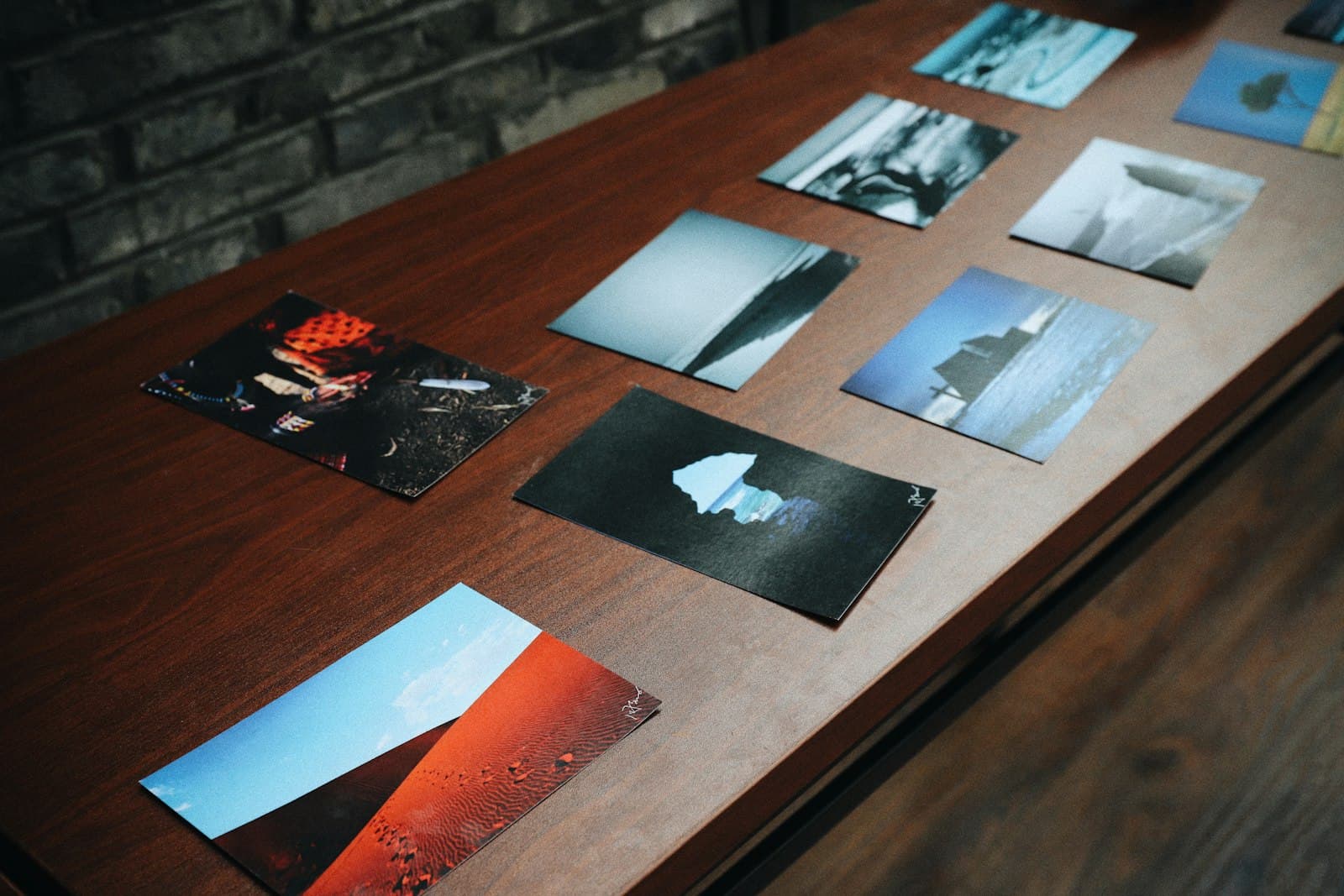
Most artists build a portfolio like a diary: everything ever made, in chronological order, hoping quantity will impress. But an artist's portfolio whose purpose is commissions works by the opposite logic — it doesn't tell your story, it answers someone else's question. A client opening your portfolio asks one thing: 'Will this artist understand my home, my taste, the thing I can't put into words?'
The difference between a portfolio that collects compliments and one that brings a living isn't the quality of the work — it's curation, order and context. This guide, written from observing thousands of client decisions on the platform, breaks it into steps.
Curation: 12 Strong Works Beat 60 Average Ones
The hardest fact for artists to digest: clients decide based on the weakest work in the portfolio, not the strongest. A single average work plants doubt — 'is this what I'd get?' — and doubt is what kills commissions. Hence rule one: a portfolio of only 10–15 excellent works. Keep the rest in your personal archive — don't delete, just don't display.
- Consistency of voice: the portfolio should show a recognizable artistic identity — not one rigid style, but a 'handwriting' that recurs across works.
- Range within the identity: show variations — different formats, different palettes — so a client understands what can be commissioned from you.
- Commissioned works: if you've completed custom commissions — they're gold. They prove you can work within a brief.
- Quarterly refresh: a new work enters — the weakest one leaves. The portfolio keeps a fixed size and a rising standard.
Context: Show the Work on a Wall, Not in a Void
Clients don't buy an image file — they buy a change in their space. A work shown in context (above a sofa, in a bedroom, in a lobby) helps the client make the imaginative leap to their own home. Alongside each work in the portfolio, include a photo or visualization of the piece in a real living space, at correct proportions. This is why walll.art visualizes every proposal on the client's wall photo — and your portfolio should work by the same principle.
Next to each work — three lines of text, not an artist's essay: the technique, the size, and one sentence about the idea in language a client understands. 'Acrylic layers inspired by the beach in winter' sells; a paragraph on 'exploring the liminality of space' doesn't. Save the curatorial language for the exhibition catalog.
The client doesn't ask 'how talented is this artist?'. They ask 'will this artist understand me?'. The portfolio must answer the second question.
A Portfolio That Works on the Platform: What Clients See When You Submit a Proposal
On a platform like walll.art, your portfolio works hardest at one specific moment: when a client receives your proposal for their brief and clicks through to your profile to decide. At that moment they're not browsing at leisure — they're comparing. So the first works in the portfolio should be the ones that converse with the type of briefs you submit to: if you're proposing on briefs for earth-toned living rooms, don't let the opening work be urban neon.
Two more elements that influence the decision more than you'd think: a profile photo and a short first-person description. Clients commission a work from a person, not a catalog — a sentence or two about who you are and how you work ('I start every commission with a conversation about the space') builds trust no single work can. And when your proposal is chosen and the client is happy — ask for a photo of the piece hanging in their home. There is no stronger marketing asset.
From the Portfolio to the First Commission
A good portfolio is necessary but not sufficient — you also need to be where the clients are. The platform's open calls are where real briefs, with defined budgets, wait for proposals: every brief is a client who has already decided to commission a work and is looking for the right artist. Submit reasoned, tailored proposals — not a duplicated generic one — and let your refreshed portfolio close the deal.
Questions & answers — For Artists
How many works should an artist's portfolio contain?
Only 10 to 15 excellent works. Clients decide based on the weakest work in the portfolio, not the strongest, so every average work plants doubt and costs commissions. Keep the rest in your archive — off display.
What matters more in a portfolio — variety or consistency?
Consistency of handwriting, with range inside it. A client needs to recognize a clear artistic identity while also understanding what can be commissioned from you — different formats, palettes and moods within the same language. Variety without identity reads as lack of focus.
How do you present works so clients commission?
In the context of a space: alongside each work, show a photo or visualization of it on a real wall at correct proportions, because clients buy a change in their space, not an image file. Add three lines in plain language — technique, size, and a sentence about the idea.
Should you show works made on commission?
Absolutely — they're the strongest asset in the portfolio. Commissioned works prove you can work within a brief, listen to a client and meet expectations. If possible, add a photo of the piece hanging in the client's home: there's no more convincing social proof.
How does an artist find clients who want to commission works?
The open calls on walll.art gather real client briefs with defined budgets: every brief is a client who has already decided to commission a work. Submit a tailored, reasoned proposal to the relevant brief, and the client chooses the proposal that speaks to them.
How often should a portfolio be updated?
A quarterly refresh is a healthy rhythm: a strong new work enters, and the weakest in the portfolio leaves. The portfolio keeps a fixed size and a steadily rising bar, and returning clients always see your best version.