Art in Business — How the Right Wall Affects Clients, Employees and the Bottom Line
Art for an office, clinic or restaurant isn't a design expense but a business decision: the right wall extends dwell time, builds trust and strengthens brand identity. How to choose art for a business — space by space.
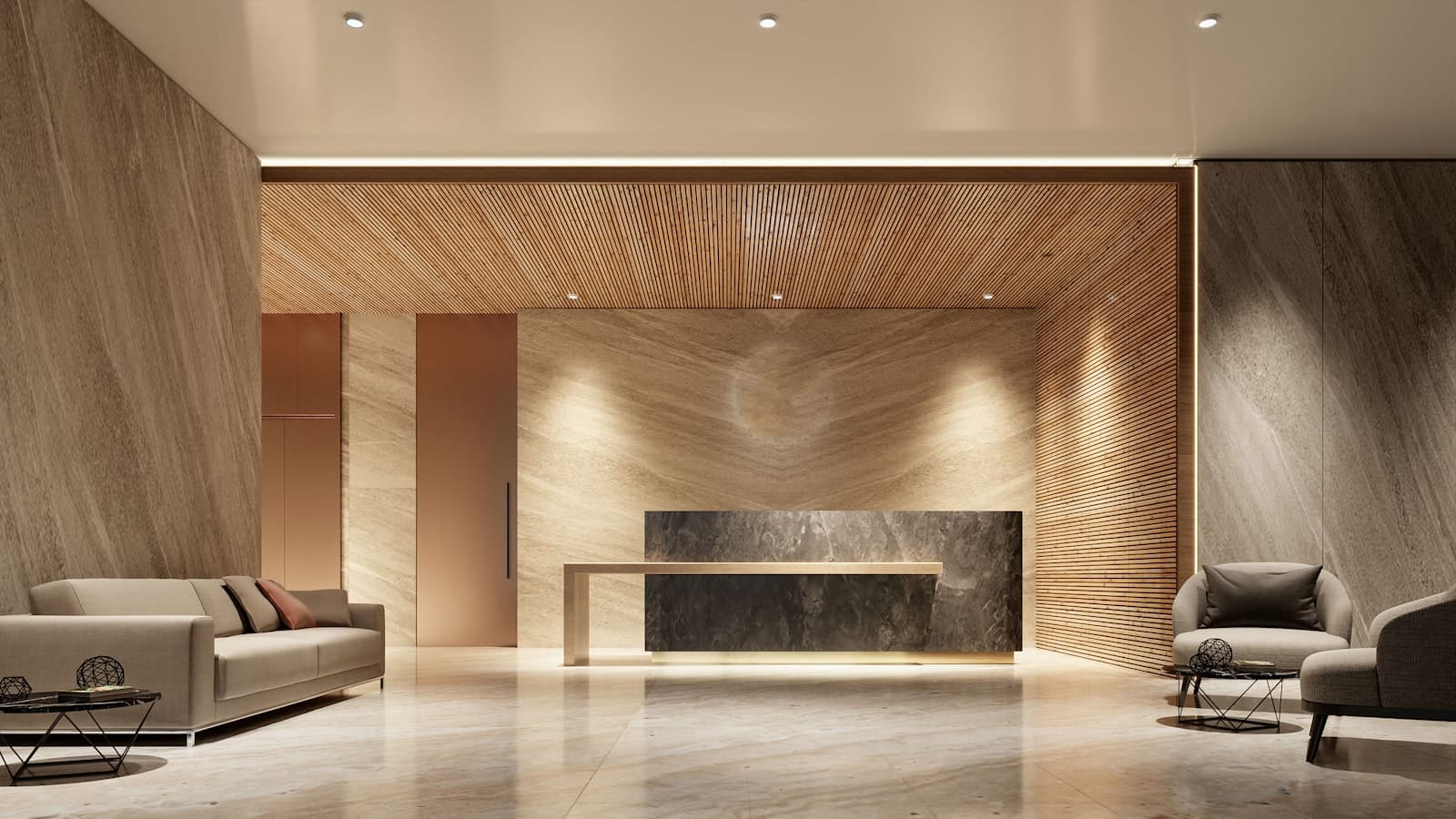
When managers think about investing in customer experience, they think service, product, digital — almost never the walls. That's an expensive blind spot: art for an office or commercial space is one of the cheapest and fastest tools for changing how a business feels to whoever walks in. A client forms an impression of a business within seconds, long before the first word — and the walls are part of that conversation, whether you planned it or not.
Workplace studies have repeatedly found that art-enriched spaces improve employee satisfaction and well-being compared to sterile ones, and that clients attribute seriousness, stability and taste to businesses with original art. This article covers the logic — then goes space by space.
What Art Does for a Business — in Practice
- Trust: original art signals investment and permanence — 'this business plans to be here another decade'. A generic catalog print signals the opposite.
- Dwell time: in waiting and dining spaces, quality visual stimulus softens the sense of time and extends relaxed stays.
- Identity: a work created for the brand — in its colors, spirit and story — is branding that can't be copied from a catalog.
- Employee pride: a team working in a genuinely designed space feels invested in — and that shows up in retention.
Space by Space: Art for the Office, Clinic, Restaurant and Shop
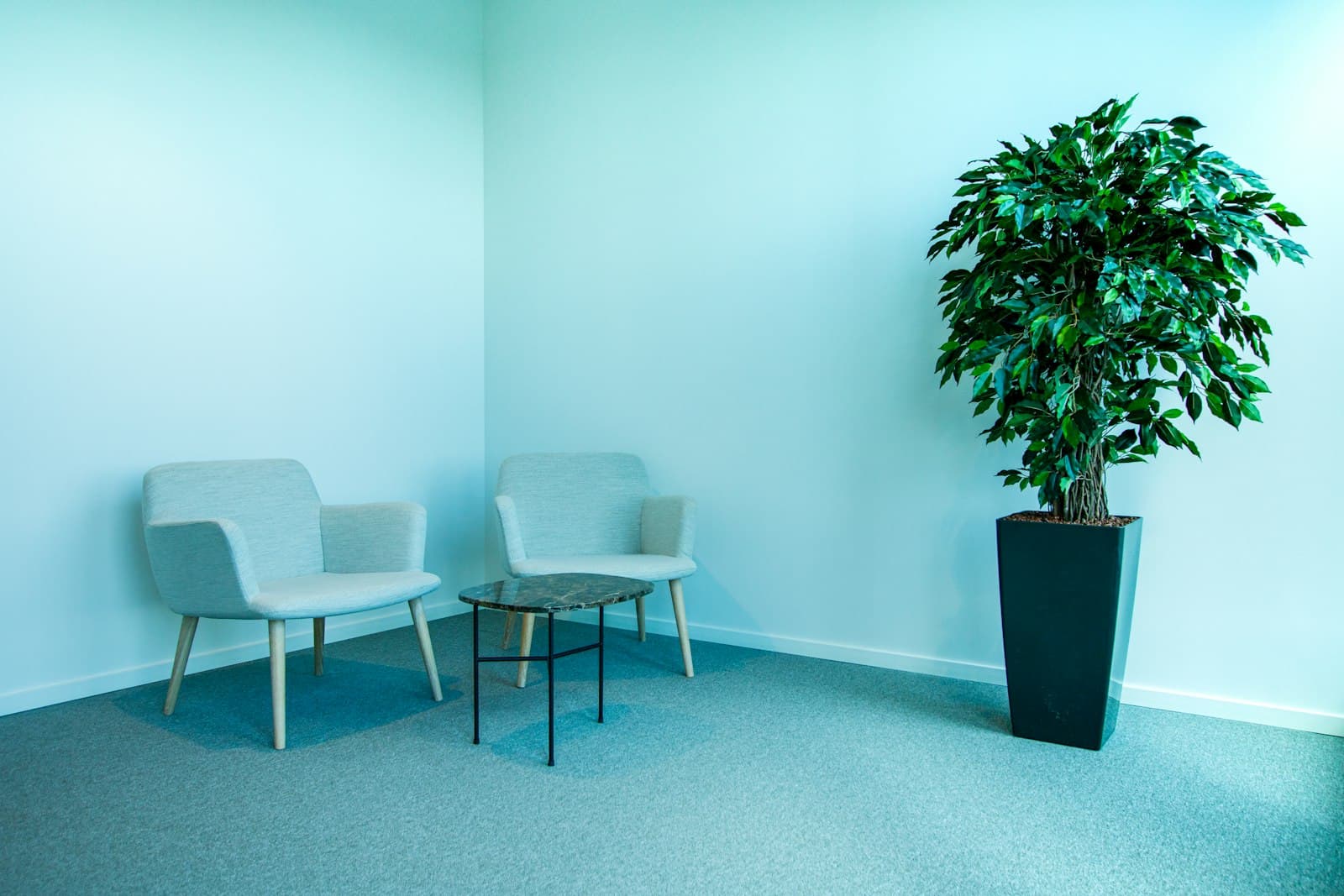
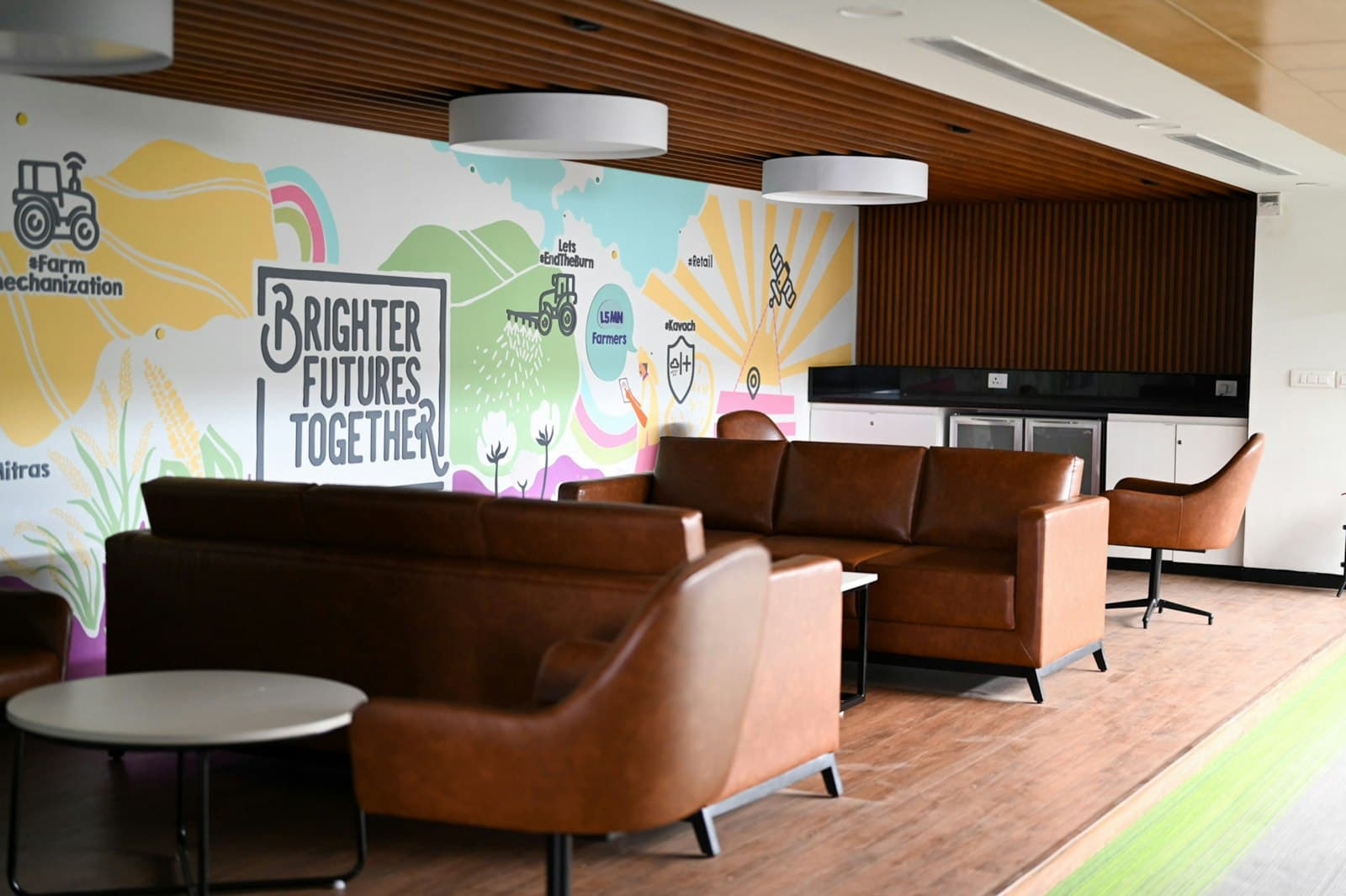
Office: in the lobby and meeting rooms — a large, confident work that represents the brand; at workstations — calmer art that supports concentration rather than competing with it. An important rule: walls seen on video calls are branding real estate — a distinctive work behind the CEO is worth more than a logo wall.
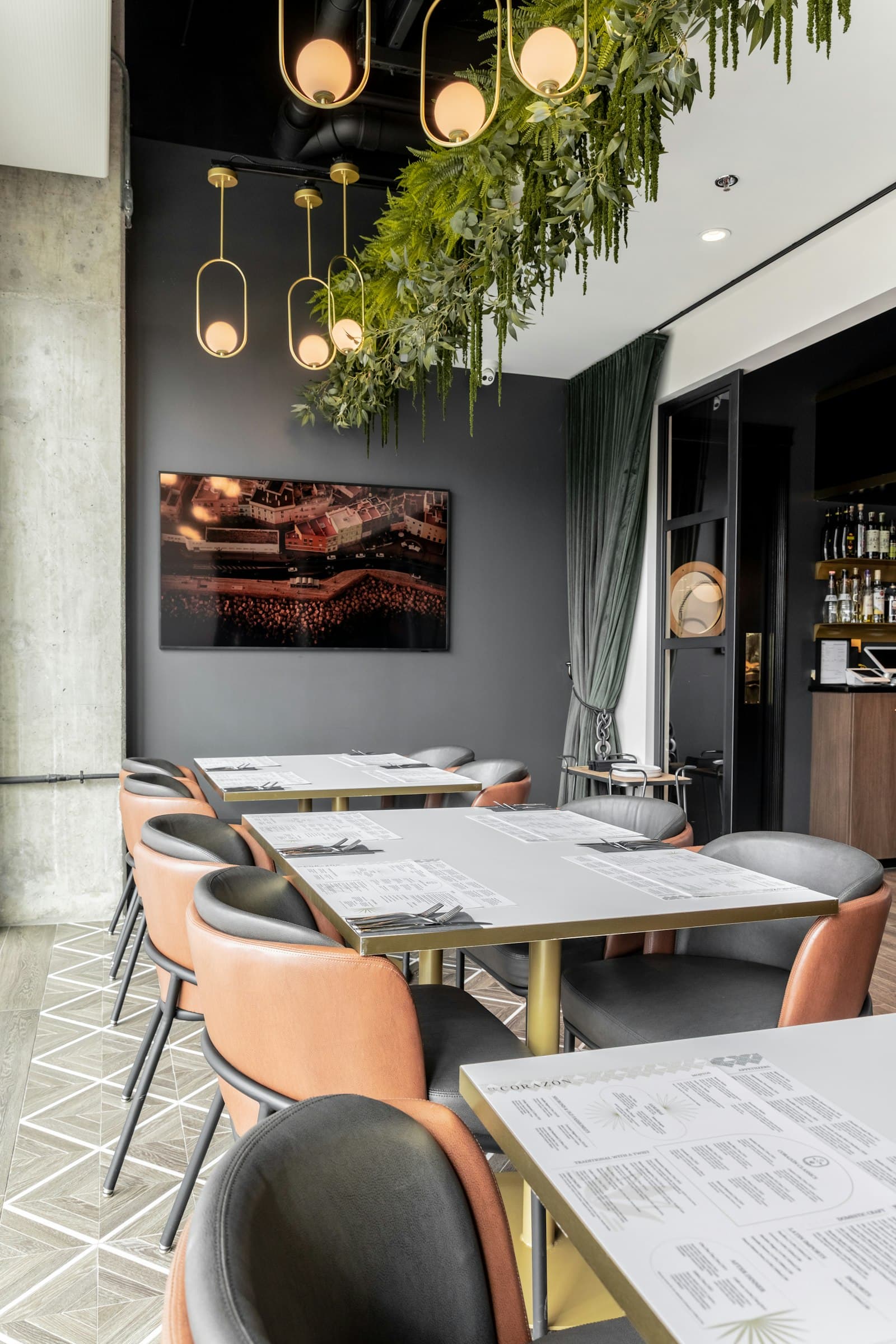
Clinic and medical practice: here art works hardest — it reduces anxiety. Soft tones, atmospheric landscapes and flowing compositions in the waiting room measurably lower tension; avoid dominant red and chaotic compositions. Restaurant and café: the art is part of the experiential menu — a bold, talked-about work gives guests a reason to photograph and share, and the wall becomes the venue's quiet marketing channel. Boutique shop: one strong work by the checkout or in the display window frames the merchandise and lifts the perceived value of every product around it.
A client forgets what you said in the first meeting. They don't forget how your office made them feel.
Custom or Off the Shelf — and How It Works in Practice
A business has two routes: ready works from the gallery — fast, budget-precise, ideal for refreshing existing spaces; or a custom commission — when the wall is central, the dimensions non-standard, or you want the work to tell the brand's story. In a business brief you state the nature of the activity, the client audience, brand colors and photos of the space; artists submit proposals, and each is visualized on the business's actual wall — so even a committee or partners decide in front of a visualization, not in front of imagination.
On the financial side, two advantages worth knowing: investing in business art is usually a deductible expense (consult your accountant), and it's one of the few upgrades done without renovation — no dust, no closing the business, no permits. A work goes up in a day and changes the space for years.
Where to Start
Start with the wall that meets the most eyes: the entrance wall, the wall facing the waiting area, or the meeting-room backdrop. One wall, one right work — and within a day the business feels different. Then expand, wall by wall, in the same language.
Questions & answers — Commercial spaces
Does art in the office really affect employees?
Yes — workplace studies have found that art-enriched spaces improve satisfaction, well-being and even productivity compared to sterile ones. Employees also read investment in the space as investment in them, and that shows up in retention.
What art suits a clinic or medical practice?
Works that reduce anxiety: soft tones, atmospheric landscapes and flowing compositions in the waiting room. Avoid dominant red, chaotic compositions and harsh imagery — the goal is to lower the pulse of whoever is waiting.
Which is better for a business — custom or ready-made art?
For a quick refresh of existing spaces — ready works from the gallery. For a central wall, non-standard dimensions or a brand story — a custom commission, where artists submit proposals to a business brief and each is visualized on the actual wall before the decision.
Is buying art for a business a deductible expense?
In many cases yes — art for a business space is usually treated as a leasehold improvement or fixed equipment, depending on circumstances. It's worth consulting the business's accountant on the appropriate classification and depreciation.
How much does art for a commercial space cost?
The range is wide and controllable: in a brief you define the budget in advance and artists submit proposals within it, and in the gallery the price is listed beside each work. Compared to any other space upgrade — renovation, furniture, branding — art is among the fastest and most cost-effective.
How do you choose the first wall for art in a business?
Start with the wall that meets the most eyes: the entrance wall, the wall facing the waiting area or the meeting-room backdrop. One right work there changes how the business feels within a day, and from there expand gradually with a unified visual language.